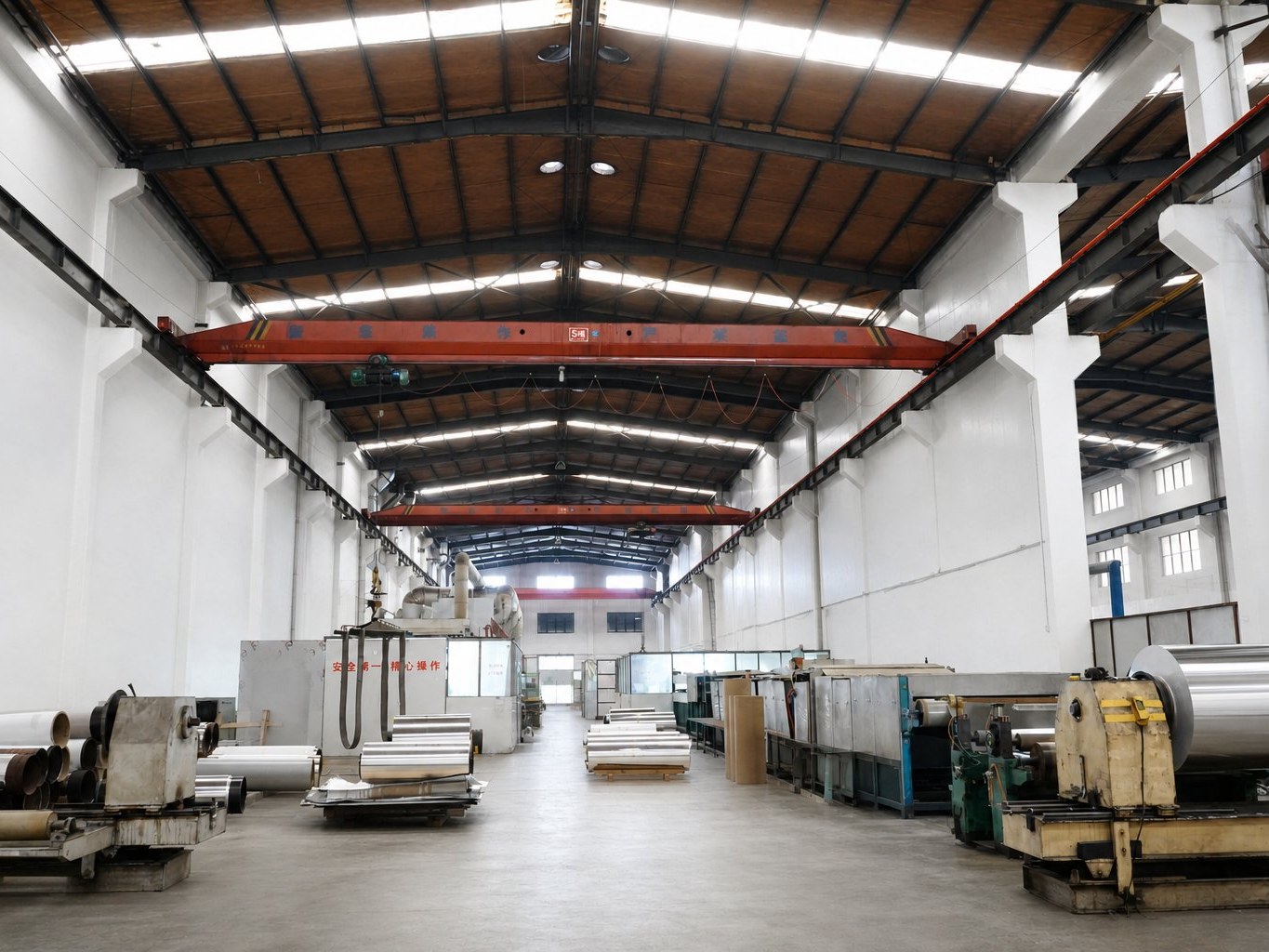
A useful ACP factory discussion follows the material from incoming aluminum to the packed panel. Machine size matters, but buyers also need to understand the proposed specification, process controls, inspection methods and records for their order.
Start with the aluminum skin specification and the incoming material records. Confirm how the proposed gauge, alloy and surface condition are checked. Surface preparation is part of the coating process, so ask how cleaning, pretreatment and drying are controlled.
A photograph of a production line cannot establish coating adhesion. Buyers should request the inspection criteria and results relevant to the supplied product rather than relying on a description of the equipment.
Agree the coating system, approved color reference and gloss before production. The process settings must suit the actual coating formulation; one universal curing temperature or film thickness should not be assumed for PVDF, FEVE and every polyester grade.
Ask how a sample is approved, how batches are identified and what acceptance criteria apply. Metallic appearance can be sensitive to viewing and installation direction. For additions to an existing building, compare new samples with the current facade rather than assuming an original record guarantees a match.
The panel combines two aluminum skins with a core and bonding system. The core designation must match the agreed specification. For products sold with a fire classification, confirm how the supplied construction relates to the relevant report.
During a factory discussion, ask about process control, panel flatness, dimensional inspection and bond testing. A bond-strength figure needs its test method, units, conditioning and acceptance criterion. Values from unrelated methods should not be compared as if they were equivalent.
ASTM D903 is an example of a defined method for comparative peel or stripping characteristics of adhesive bonds. Its existence does not certify a panel or create a universal pass value for every ACP product. Request the method and criterion that apply to the order.
Send your application, proposed thickness, finish, quantity and required documentation before arranging a visit. Ask which processes can be observed and which inspection records can be reviewed. Confirm the production schedule and delivery lead time in the actual quotation.
Contact ALUCOVERBOND to discuss a visit and your panel requirements. For specifications to bring with you, see the thickness checklist, coating comparison and fire-documentation guide.
ASTM D903 scope explains why a reported bond value must identify its testing conditions.