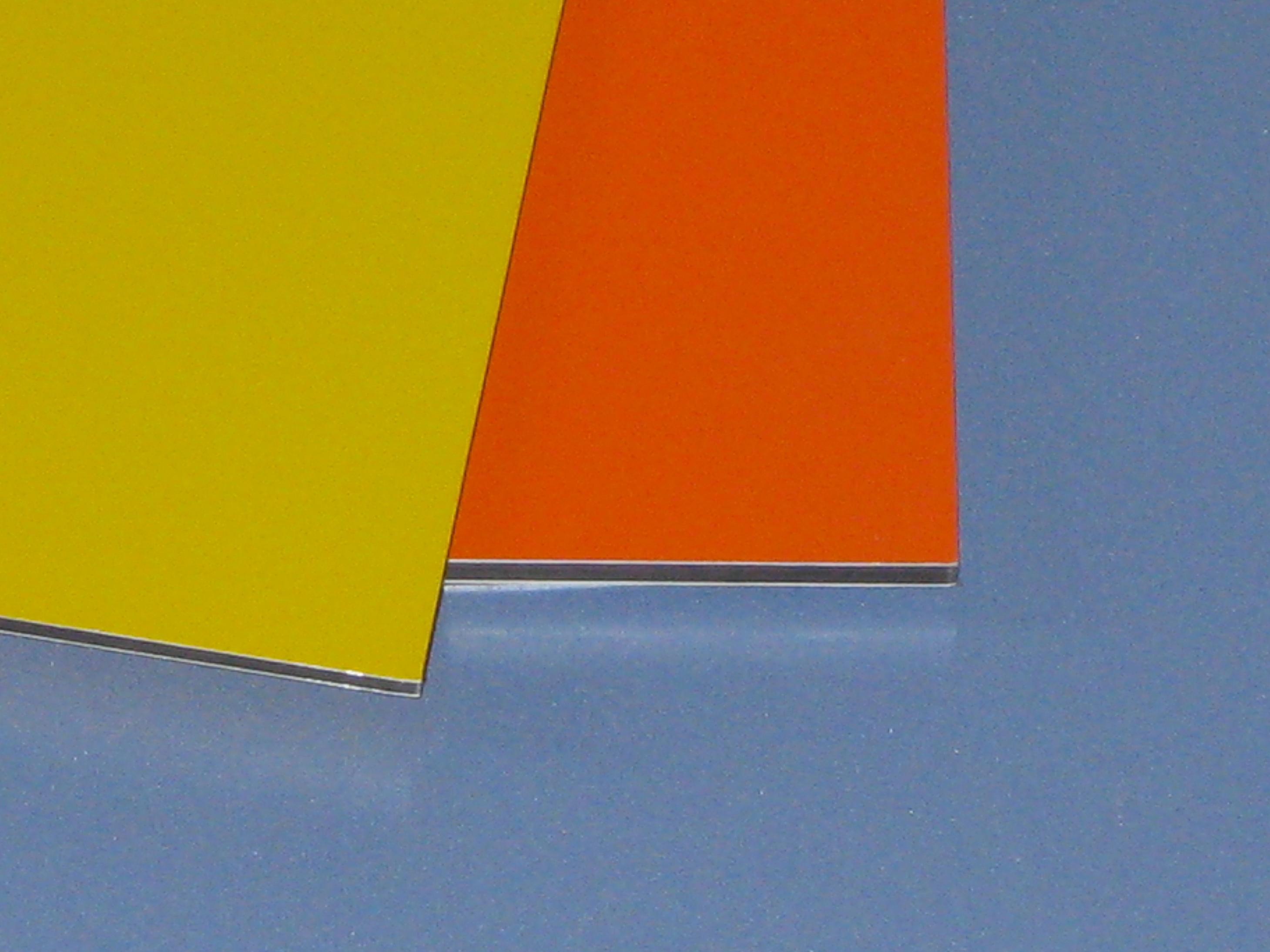
When comparing aluminum composite panel quotations, “4mm ACP” is only the beginning of the specification. Buyers also need to compare the thickness of each aluminum skin, the core, the coating and the proposed installation system. Two sheets with the same overall thickness can be different products.
This guide explains the questions behind common searches such as 3mm vs 4mm ACP, ACP sheet thickness for exterior walls and 0.3mm vs 0.5mm aluminum skin, with a checklist you can use before requesting a quotation.
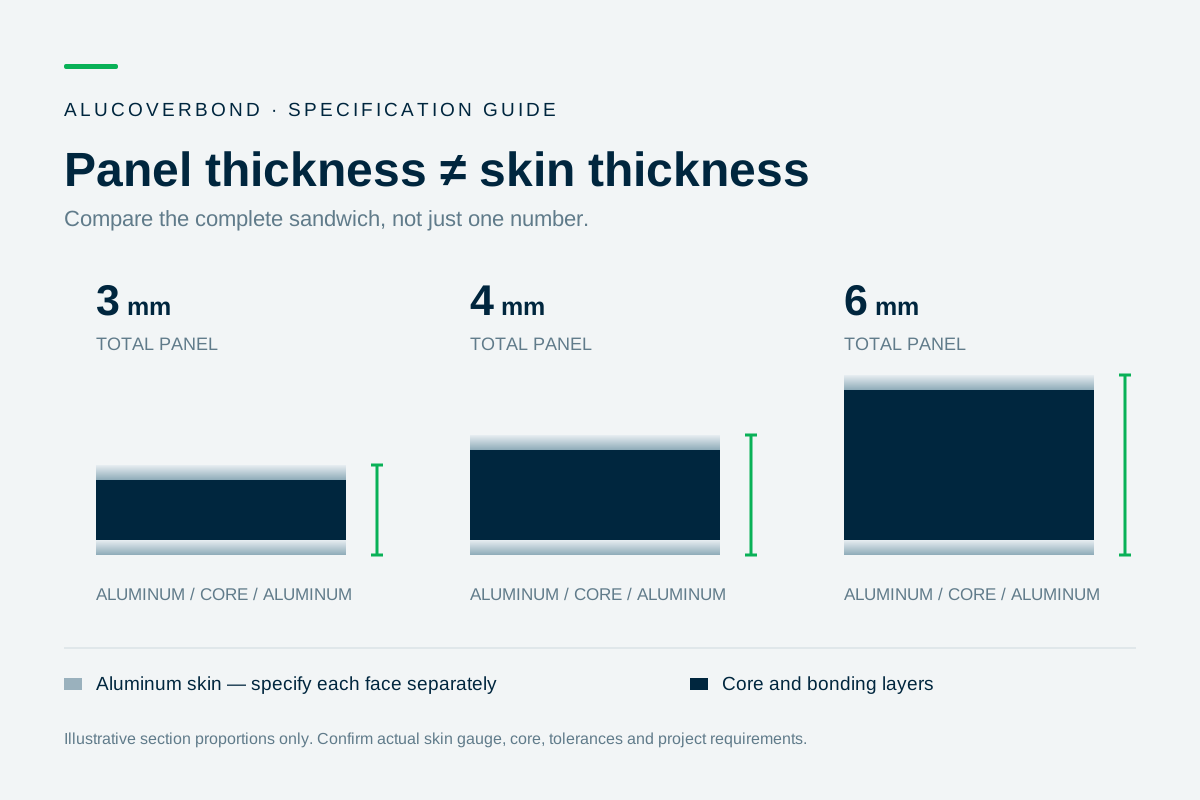
Total panel thickness describes the complete sandwich. Skin thickness describes each outer aluminum sheet. Ask suppliers to state both, including the front and back skin gauges, the measurement method and the agreed tolerances.
As a simplified construction example, a nominal 4mm panel with two 0.5mm skins leaves approximately 3mm for the core and bonding layers. With two 0.3mm skins, that allowance is approximately 3.4mm. These examples explain the dimensions; they are not acceptance tolerances or a performance rating.
| Overall thickness | Common purchasing context | What to verify |
|---|---|---|
| 3mm | Signs, displays and interior applications | Skin gauge, surface suitability and fixing method |
| 4mm | Architectural cladding and fabricated panels | Core, fire evidence, wind loading and supports |
| 6mm | Projects considering a thicker architectural panel | Availability, weight, fabrication and calculated system performance |
Manufacturer ranges illustrate why application matters. ALMAXCO separates architectural products from signage and display grades in its published brochure. DIBOND technical literature describes a display-oriented composite sheet with 0.3mm aluminum cover layers. These are examples from other manufacturers, not specifications or certifications for ALUCOVERBOND products.
At the same sheet area, thicker aluminum skins contain more metal. That does not establish a fixed price premium or make every thinner-skin panel unsuitable. Alloy, temper, bond quality, finish and the intended duty also belong in the comparison.
Request product-specific mechanical data and fabrication instructions. A sample's appearance cannot establish its skin gauge, and a low quotation should be checked against the same written specification before it is treated as a saving.
There is no single answer based on thickness alone. A 4mm sheet is an option found in architectural product ranges, but approval depends on the proposed assembly. The ALUCOBOND PLUS technical page, for example, lists cover-sheet thickness separately and provides wind-load and panel-dimension resources for its own product.
Before selecting facade panels, give the designer the panel dimensions, building location, support spacing and fixing detail. Have the relevant product data checked against the project's wind pressures, deflection criteria and local requirements. A larger sheet should not be assumed suitable simply because its total thickness has increased.
Core type and coating are separate decisions. Thickness does not establish a fire classification, and “fire-rated” without a named test and applicable report is incomplete procurement information. Request evidence for the proposed product and assembly. See our fire-rating overview and coating comparison for the other questions to discuss with your supplier.
On delivery, reconcile the batch identification with the agreed specification and inspection records. If thickness is disputed, use the contract's measurement procedure or an agreed independent inspection rather than estimating from an exposed edge.
No. Choose the complete product for its intended application. A display project and a facade project have different requirements; total thickness alone does not rank quality.
No. It refers to an aluminum cover sheet. The supplier should identify each skin gauge separately from the overall panel thickness.
No. Ask for the relevant test report for the exact core, product and proposed assembly. Overall thickness is not a substitute for that evidence.
Planning an ACP order? Send ALUCOVERBOND your application, panel dimensions, required skin gauge, core, finish, quantity and destination port. We can discuss the available specifications for your request.
Request an ACP QuotationExternal references describe their respective manufacturers' products. For an ALUCOVERBOND purchase, request the current datasheet and supporting documents for the specification being quoted.